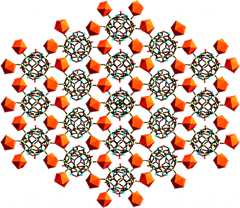
Polyoxometalates
Pioneering research in polyoxometalate chemistry, including giant molecular clusters, Keplerate structures, and their applications in catalysis and materials science.
Contact:
skdas@uohyd.ac.in
samar439@gmail.com
Professor of Inorganic Chemistry
School of Chemistry, University of Hyderabad

Number of Publications: 218; h-index: 45 (Scopus); Citations: 6368 (Scopus)
i10-index: 175 (Google Scholar)
Dissertations Supervised:
Ph.D.: 25; M.Sc. Project: 51
Publications
Years Research
Pioneering research in polyoxometalate chemistry, including giant molecular clusters, Keplerate structures, and their applications in catalysis and materials science.
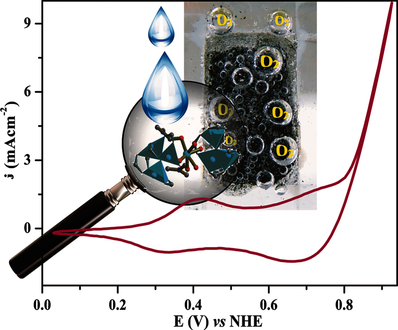
Development of efficient electrocatalysts for water splitting (HER/OER), hydrogen evolution reactions, and sustainable energy applications.
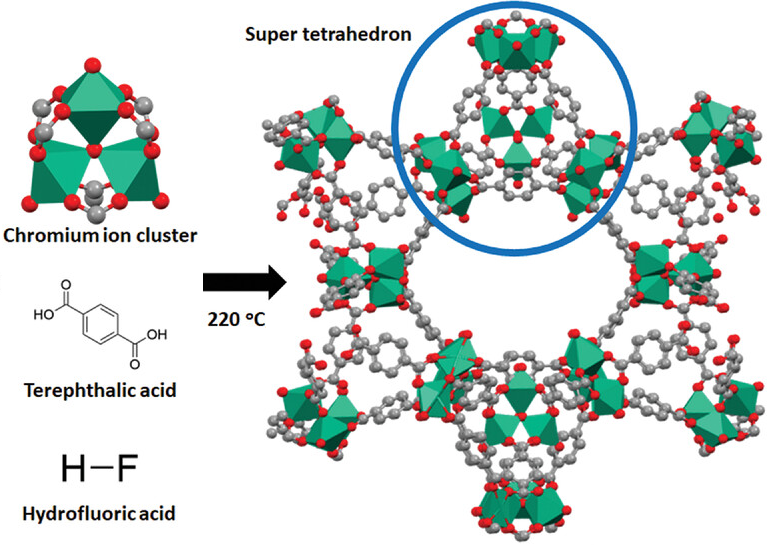
Design and synthesis of metal-organic frameworks (MOFs), coordination polymers, and supramolecular architectures with functional properties.
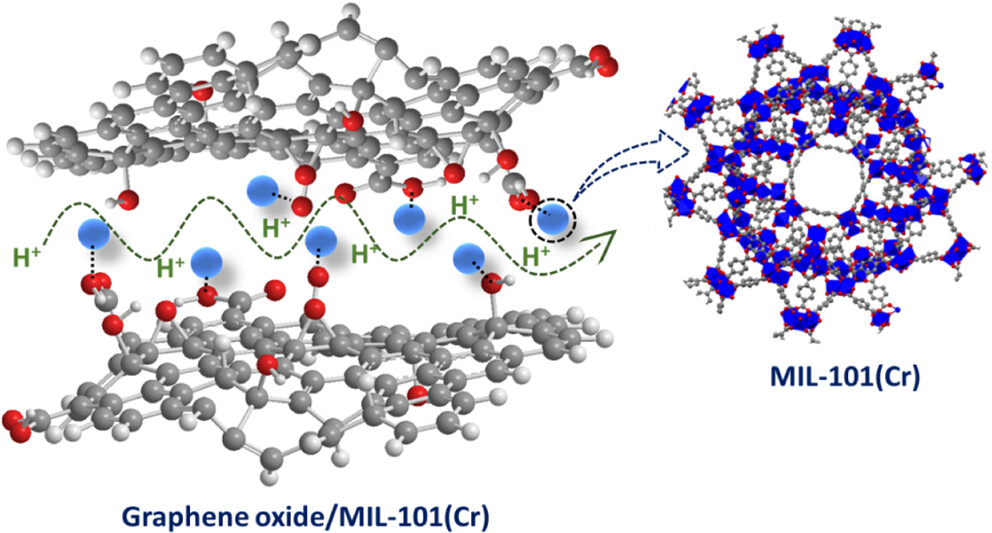
Investigation of proton conductive materials including MOFs, polyoxometalates, and hybrid organic-inorganic compounds for energy applications.
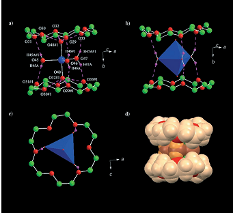
Exploration of hydrogen bonding networks, water clusters, and non-covalent interactions in crystal engineering and materials design.
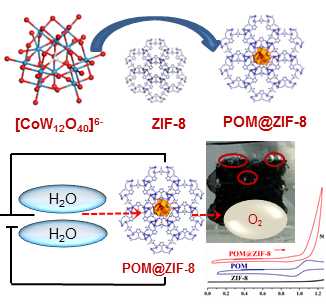
Development of materials for energy storage and conversion, including battery applications, photocatalysis, and renewable energy systems.

We are mostly interested in functional inorganic materials that are vital to create innovative science and technology and thereby to address the issues of sustainable energy, healthcare and a clean environment.
Functional inorganic materials based on polyoxometalates (POMs), basic metal carboxylates (trinuclear metal oxo clusters), metal organic frameworks (MOFs) and metal-dithiolene coordination complexes.
Sensing toxic substances, molecular recognition, electrocatalytic water oxidation, hydrogen evolution (HER), CO₂ fixation, proton conduction, fuel-cell reactions, chiral separation, molecular machines, and organic functionalization.
Hybrid materials, dithiolene complexes (NIR absorption, conducting & NLO), gas–solid and gas–liquid transformations, light-induced conversions, and supramolecular assembly studies.
Design, synthesis, self-assembly and functional applications of MOFs in adsorption, magnetic materials, and advanced materials science research.